
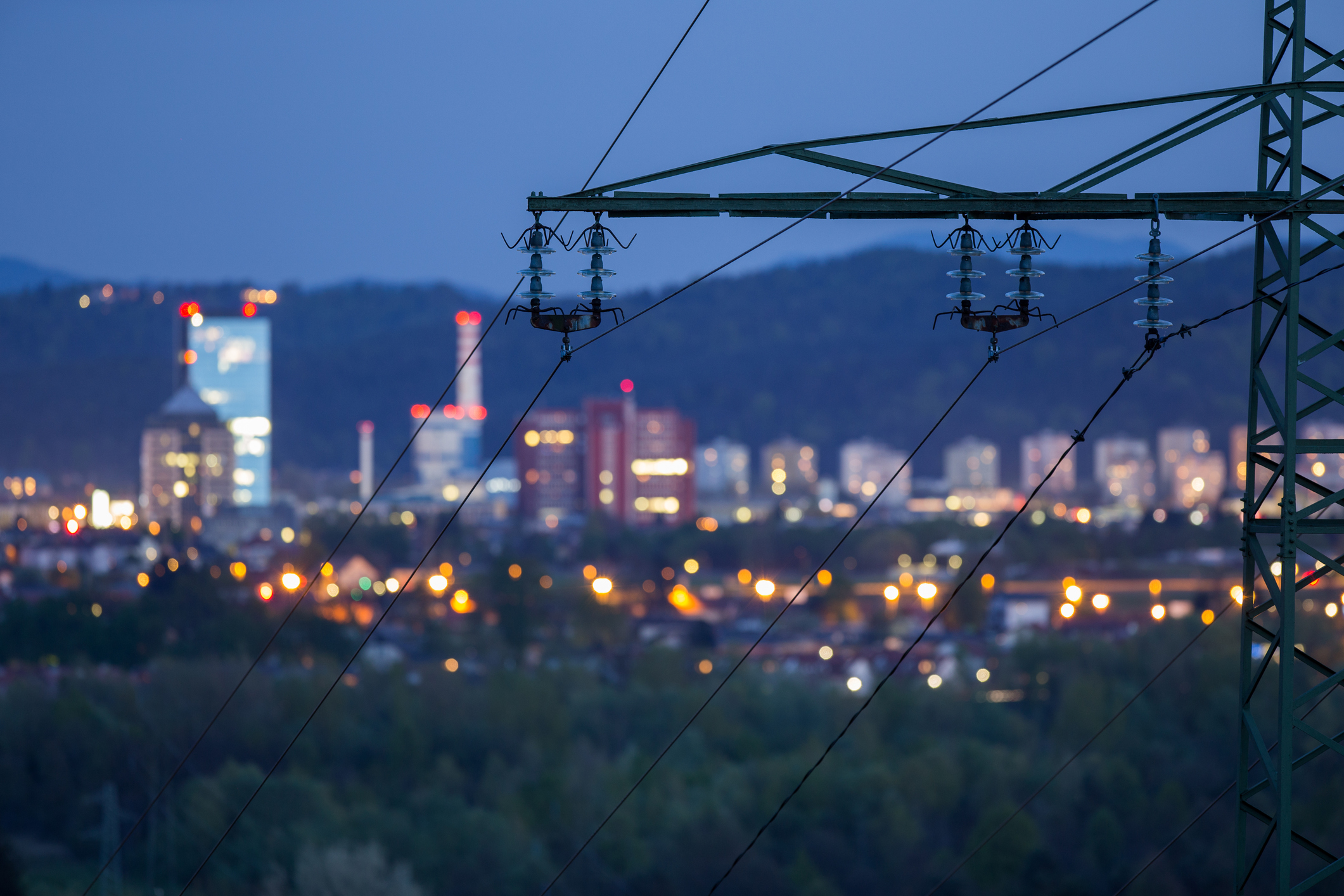
According to the Energy Information Administration, 13% of electric generation capacity in the U.S. is capable of switching between natural gas and petroleum liquids – principally distillate or residual fuel oil. The Northeast has an especially high concentration of these dual-fuel plants that rely on oil when electricity demand spikes and reliability must be maintained. This scenario often plays out on the coldest days of the year when natural gas is diverted away from power plants to heat homes and businesses. When this happens, emissions of criteria air pollutants and greenhouse gases increase, but there are also implications for electric ratepayers who must bear the production costs when generators burn oil.
Future electricity demand is forecasted to jump due to the construction of data centers – particularly hyperscale facilities – and now is the perfect time for power producers to evaluate the economic, environmental, and security benefits of relying more on domestically-sourced propane and less on fuel oil at dual-fuel generators across the country.
In the Caribbean, the U.S. Virgin Islands are already experiencing these tangible benefits firsthand. Last year, 60% of their electricity generation was produced from propane, compared to 37% from oil. Propane can reliably serve as a primary or secondary fuel source for utility-scale power production.
For more information, contact NPGA’s Senior Director of State Advocacy & Affairs, Jacob Peterson.
Related News

USDA Crop Report: Condition and Harvest
November 5, 2026
The U.S. Department of Agriculture (USDA) Crop Report as of November 2, 2026, shows developments in corn and soybean harvest, crucial information f...
RBN Reports: Available on NPGA Member Dashboard
November 5, 2026
RBN’s mission is to make sense out of complex and sometimes opaque energy markets. RBN analyzes the fundamental drivers impacting the U.S. propan...
PERC Dockets: Comments Due Nov. 20
November 5, 2026
PERC is seeking comments on three dockets: Docket 25822: 2027 Comprehensive Marketing & Communications Plan Docket 25816: 2027 Propane Construc...