
A heating degree day (HDD) is a measure of how cold a location is. It’s derived by comparing the average outdoor temperature to a baseline of 65 degrees. More extreme cold temperatures result in a higher number of HDDs, which typically translate to an increased demand for space heating by energy consumers.
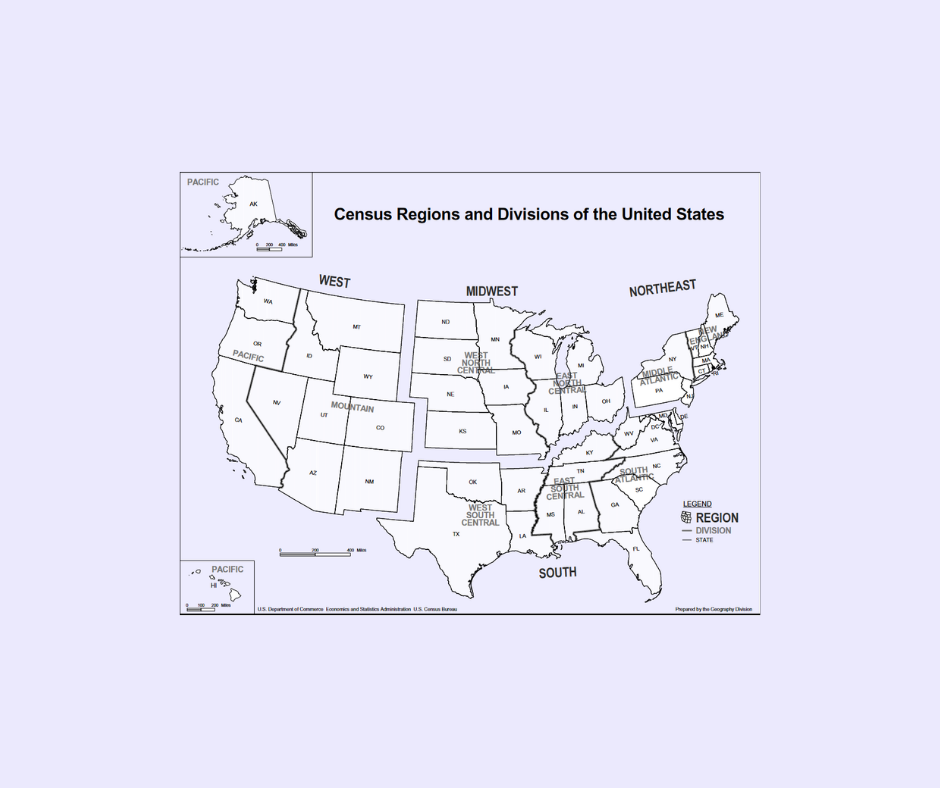
NPGA has now produced data sets that detail the number of HDDs that occurred during each month of the heating season (October-March) over the past 3 years, as well as each month’s 10-year average, broken down by Census Division. As members continue to evaluate their potential supply and demand scenarios for the upcoming heating season, they can use these data to better understand what the needs of their customers were in previous years.
These data sets can be found under the Supply and Logistics section on the Member Dashboard of NPGA’s website. For more information, please contact NPGA’s Jacob Peterson.
Related News

USDA Crop Progress Report
April 18, 2024
The U.S. Department of Agriculture (USDA) Crop Report as of April 14, 2024, shows promising developments in corn and soybean planting, crucial info...
RBN Energy Weekly Supply Update
April 18, 2024
U.S. propane inventories had a significant build of 4 MMbbl this week, putting propane inventories at 55.7 MMbbl. Total propane stocks are above th...
PERC Hosts Contest at FFA Convention
April 18, 2024
The Propane Education & Research Council (PERC) recently hosted an exciting contest at the 2023 Future Farmers of America (FFA) Convention. As ...